Find wheel loader rear tail light for construction, mining, and logistics
Source 30 verified options for the wheel loader rear tail light from suppliers in China. Buyers can compare models like B69 and B139, materials including metal and plastic, and customization features to find the right industrial lighting solution.
Key considerations
Products List






Comprehensive Sourcing Guide
Strategic Sourcing Guide for Wheel Loader Rear Tail Lights
Understanding Technical Specifications and Variability
When sourcing rear tail lights for wheel loaders, buyers must first navigate a complex landscape of technical specifications that vary significantly across different product listings. The core keyword "wheel loader rear tail light" encompasses a broad range of components, from simple mechanical assemblies to advanced LED systems. Based on observed market data, the physical attributes of these components are not uniform. For instance, weight specifications observed in the market range from 1 kg per piece to as high as 6 kg, indicating that the internal construction and material density differ substantially between models. A unit weighing 2.5 kg may utilize a different structural approach than a 6 kg variant, which could imply a heavier housing or additional internal components for durability.
Material composition is another critical technical variable. The market presents options constructed from plastic, metal, and specialized composites like PVC steel or carbon steel. The choice of material directly influences the component's resistance to impact, corrosion, and vibration—factors that are paramount in the heavy machinery environment. Plastic variants may offer weight savings and corrosion resistance, while metal and carbon steel options provide superior structural integrity against physical impacts common in industrial yards. Furthermore, surface treatment processes such as oxygenation, electroplating, and polishing are frequently cited as standard procedures. These treatments are essential for protecting the internal electrical components from the harsh elements, including dust, moisture, and chemical exposure found in mining or construction sites.
Dimensional specifications also require careful verification. While some listings indicate standard dimensions of 30x30x30 cm for packaging, the actual product models vary widely, with designations such as B69, B139, and specific functional names like "Rear Light Tail Lamp" or "Forklift Tail Light." The "Applied Model" field often references specific industry applications, such as the "Forklift Industry," which suggests that some rear lights designed for wheel loaders may share compatibility with forklift systems or are marketed under broader industrial vehicle categories. Buyers must ensure that the physical dimensions and mounting points of the selected light match the specific wheel loader model they intend to service, as the "Standard" adaptation noted in some listings may not apply universally to all machine generations.
Compliance and Certification Verification
Navigating the regulatory landscape for industrial lighting requires a rigorous approach to compliance and certification. In the observed product data, the CE certification is a recurring high-confidence fact, appearing as a standard attribute for many listed items. This certification indicates that the product meets the essential health, safety, and environmental protection requirements for products sold within the European Economic Area. However, the presence of a CE mark on a listing does not automatically guarantee compliance with local regulations in other regions, such as the United States (FMVSS) or specific national standards in Asia or South America.
Buyers must verify that the CE certification is valid and applicable to the specific electrical and mechanical characteristics of the light. The data also highlights various electrical specifications, including voltage types such as DC, which is standard for vehicle applications, and power ratings ranging from 41 to 50 watts for LED configurations. The IP rating is mentioned in the context of "IPLED," though the specific numerical rating (e.g., IP67 or IP68) is not explicitly defined in the provided facts. This ambiguity necessitates a direct inquiry with the supplier to confirm the ingress protection level, ensuring the light is sufficiently sealed against dust and water immersion for outdoor industrial use.
Additionally, the "Standard" attribute appears in multiple forms, including "Standard" and "Customization Available." This suggests that while some products adhere to a baseline industry standard, others may be modified to meet specific client requirements. Buyers should request documentation proving that the product's electrical safety, light intensity, and beam pattern comply with the relevant standards for the target market. Relying solely on the presence of a certification label without verifying the supporting test reports can lead to compliance failures during customs clearance or on-site safety audits.
Cost Drivers and Pricing Dynamics
The pricing structure for wheel loader rear tail lights is influenced by a multitude of factors, creating a wide observed range from 1 USD to 100,000 USD. This extensive spread reflects the diversity in product complexity, material quality, and order volume. The lower end of the spectrum likely corresponds to basic mechanical lights or smaller orders with minimal customization, while the higher end may encompass advanced LED systems with specialized coatings, custom engineering, or bulk industrial contracts.
Material costs play a significant role in pricing. Products utilizing carbon steel or PVC steel, which offer enhanced durability, generally command higher prices than those made from standard plastic. Similarly, surface treatments like electroplating and polishing add to the manufacturing cost but are essential for longevity in harsh environments. The inclusion of advanced features, such as specific emitting colors (Cool White, Warm White) or integrated power supplies, also drives up the unit cost.
Order volume is another critical cost driver. The observed Minimum Order Quantity (MOQ) ranges from 1 to 1000 units. Buyers purchasing single units or small batches may face higher per-unit costs due to the fixed overheads of production setup and packaging. Conversely, larger orders that meet higher MOQ thresholds often benefit from economies of scale, reducing the per-unit price. Packaging requirements, such as "Hard Box with Foam" or "Cardboard with Foam Inside," also contribute to the final cost, as specialized packaging is necessary to prevent damage during transit, especially for heavy or fragile components.
Typical Applications and Industry Fit
The primary application for wheel loader rear tail lights is within the heavy machinery and industrial sectors. The data explicitly links these products to the "Forklift Truck" and "Industrial" industries, suggesting a high degree of interchangeability or shared design principles between wheel loaders and forklifts. This overlap implies that many rear lights are designed to withstand the rigorous demands of material handling, construction, and mining operations.
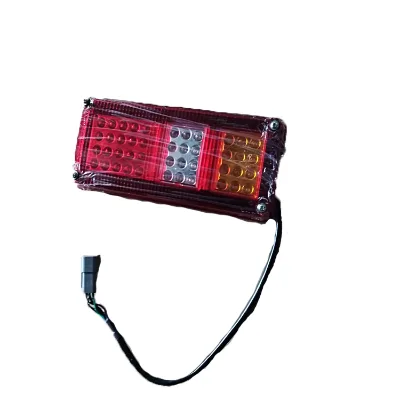
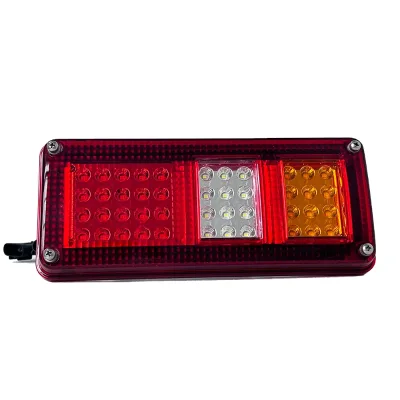
The functional requirements for these lights are specific. They must provide reliable illumination, often described as "Offer Light" or "Supply Light," to ensure visibility and safety for operators and ground personnel. The emitting colors observed include Yellow, Red, White, and combinations thereof, which are critical for signaling different operational states or ensuring visibility in various lighting conditions. The "Three-colored Tail Lamp" designation indicates a multifunctional design that may integrate brake, turn, and running lights into a single unit, reducing the number of components required on the vehicle.
Furthermore, the adaptability of these lights to "Standard" configurations suggests they are designed to fit a wide range of vehicle models without extensive modification. However, the availability of "Customization" indicates that for specialized wheel loader models or unique operational environments, bespoke solutions are possible. Buyers should assess whether their specific application requires standard off-the-shelf components or if the unique operational conditions of their fleet necessitate a customized approach to lighting.
Supplier Evaluation and Selection Criteria
Selecting the right supplier for wheel loader rear tail lights requires a thorough evaluation of their capabilities, reliability, and product consistency. The market data indicates that suppliers offer various levels of customization, from standard models to fully "Customized" solutions. Buyers should prioritize suppliers who demonstrate flexibility in meeting specific technical requirements while maintaining high quality standards.
The origin of the products is a key factor in supplier evaluation. The data points to "Shandong" and "China" as primary origins, regions known for their manufacturing capabilities in industrial machinery and components. While these regions offer competitive pricing and a wide range of options, buyers must verify the supplier's track record for quality control and delivery reliability. The presence of "Sample Is Supplied" as an attribute is a positive indicator, suggesting that suppliers are willing to provide prototypes or sample units for testing before committing to a larger order.
Packaging and logistics capabilities are also essential considerations. The variety of packaging options, including "Strong Box with Foam Inside" and "Hard Box with Foam," highlights the importance of secure shipping to prevent damage. Buyers should evaluate the supplier's ability to handle the specific packaging needs of their order, ensuring that the products arrive in perfect condition. Additionally, the "Lead Time" and "MOQ" constraints observed in the market should be factored into the supplier selection process to ensure that the procurement timeline aligns with operational needs.
Quality Control and Long-Term Procurement
Ensuring the long-term reliability of wheel loader rear tail lights requires a robust quality control strategy. The observed attributes, such as "New" condition and specific surface treatments, provide a baseline for quality, but buyers must implement their own verification processes. This includes inspecting the physical condition of the units upon receipt, checking for any signs of damage or defects, and verifying that the electrical specifications match the order requirements.
Long-term procurement considerations extend beyond the initial purchase. Buyers should evaluate the supplier's ability to provide consistent quality over time, especially for ongoing maintenance and replacement needs. The availability of "Customization" suggests that suppliers can adapt to future changes in vehicle models or operational requirements, which is valuable for long-term partnerships. Additionally, the durability of the materials and surface treatments should be assessed to ensure that the lights can withstand the rigors of the industrial environment over an extended period.
Finally, buyers should establish clear communication channels with suppliers to address any issues that may arise during the product's lifecycle. This includes having a process for handling returns, replacements, or technical support. By focusing on quality control and building strong supplier relationships, buyers can ensure a steady supply of reliable rear tail lights that meet the demanding requirements of wheel loader operations.
Comparative Analysis of Product Attributes
To facilitate informed decision-making, the following table summarizes key product attributes observed in the market for wheel loader rear tail lights. This comparison highlights the variability in specifications and helps buyers identify the features most relevant to their specific needs.
| Attribute Category | Observed Variations | Key Considerations for Buyers |
|---|---|---|
| Material | Plastic, Metal, PVC Steel, Carbon Steel | Select based on required durability and weight constraints. |
| Weight | 1 kg, 2.5 kg, 6 kg | Verify compatibility with vehicle mounting systems. |
| Surface Treatment | Oxygenation, Electroplating, Polishing | Ensure adequate corrosion and wear resistance. |
| Packaging | Box, Hard Box with Foam, Cardboard with Foam | Confirm packaging prevents damage during transit. |
| Certification | CE | Verify validity and applicability to target market. |
| Customization | Available, Customized | Assess need for bespoke solutions vs. standard models. |
| Origin | Shandong, China | Consider logistics and supplier reliability. |
| Function | Offer Light, Supply Light | Ensure adequate illumination for safety requirements. |
| Voltage Type | DC | Confirm compatibility with vehicle electrical systems. |
| IP Rating | IPLED Type (Specifics vary) | Request specific IP rating for environmental protection. |
By carefully analyzing these attributes and understanding the underlying factors that drive product variability, buyers can make strategic sourcing decisions that balance cost, quality, and performance. The goal is to secure rear tail lights that not only meet immediate operational needs but also contribute to the long-term safety and efficiency of the wheel loader fleet.
FAQs
What certifications do wheel loader rear tail lights have?
The products hold CE certification, indicating compliance with European safety standards. This certification is a high-confidence fact for the listed items, ensuring they meet essential health and environmental requirements for the European Economic Area.
Which materials are used for these tail lights?
Available materials include plastic, metal, PVC steel, and carbon steel. The choice of material impacts durability and resistance to impact, with metal and carbon steel offering superior structural integrity for heavy industrial environments.
Can these lights be customized for specific needs?
Customization is available for specifications, standards, and paint colors. Buyers can request specific dimensions or colors like silver, red, black, or yellow to match their equipment requirements without compromising the new condition of the product.
How much do these lights weigh?
Weights vary significantly, ranging from 1 kg to 6 kg per piece. Some models weigh 2.5 kg, while others reach 6 kg, reflecting differences in internal construction and material density between the various product listings.
Where are these products manufactured?
The products originate from Shandong, China. This location is a known manufacturing hub for industrial machinery components, offering competitive pricing and a wide range of options for buyers sourcing these specific lighting units.
What packaging is used for shipping?
Packaging options include hard boxes with foam, cardboard with foam, and strong boxes with foam inside. These methods are designed to protect the lights during transit, ensuring they arrive in new condition without damage.